
Grantee Profile
Advancing Farm to School through the Massachusetts Farm to School Institute
The Massachusetts Farm to School Institute is catalyzing real change in school communities—transforming cafeterias and classrooms into places where healthy, local food and hands-on learning are part of every student’s day. This year-long professional development program equips school teams to implement farm to school strategies that enhance student health, deepen food systems learning, and foster strong community connections.
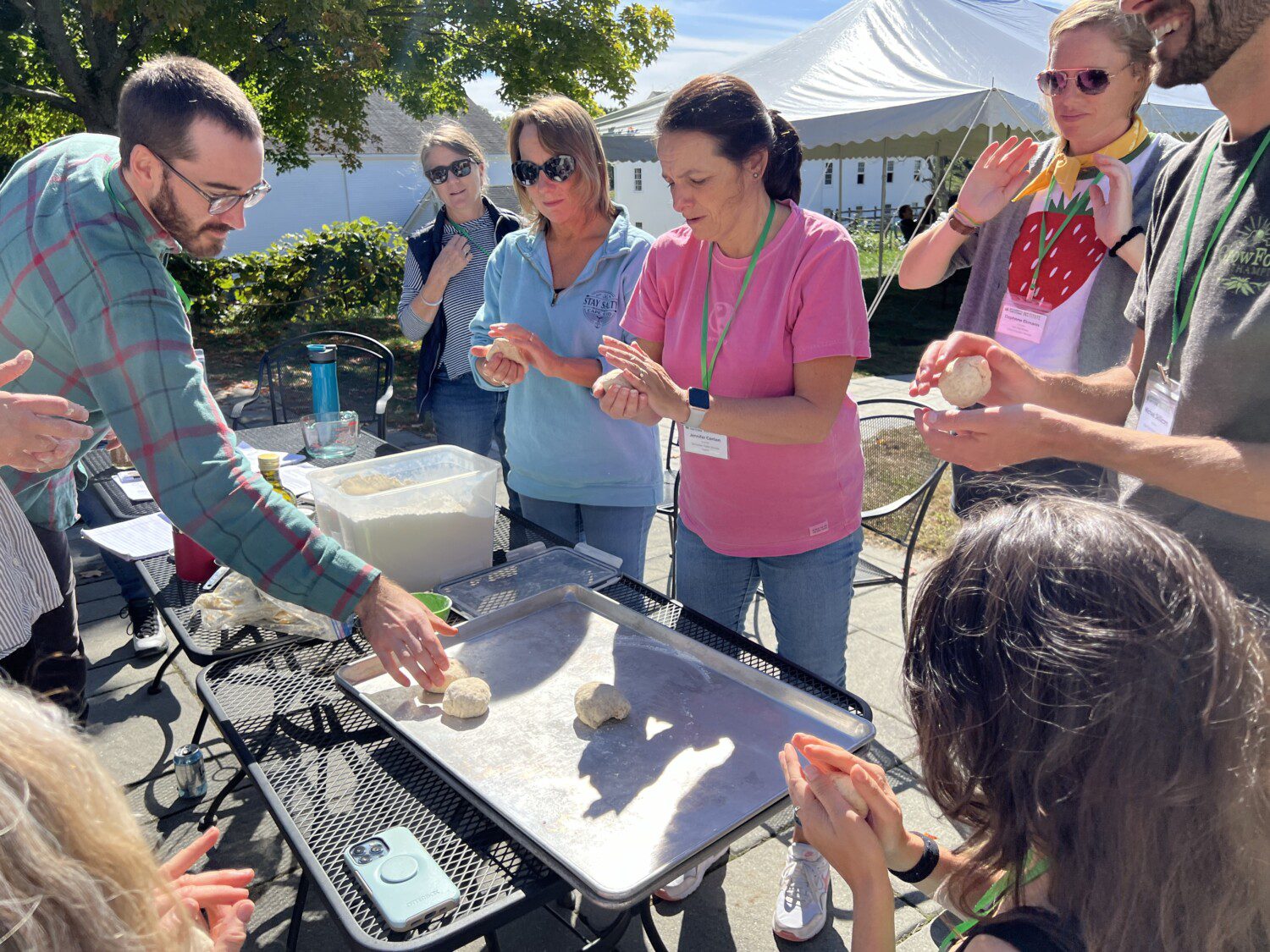
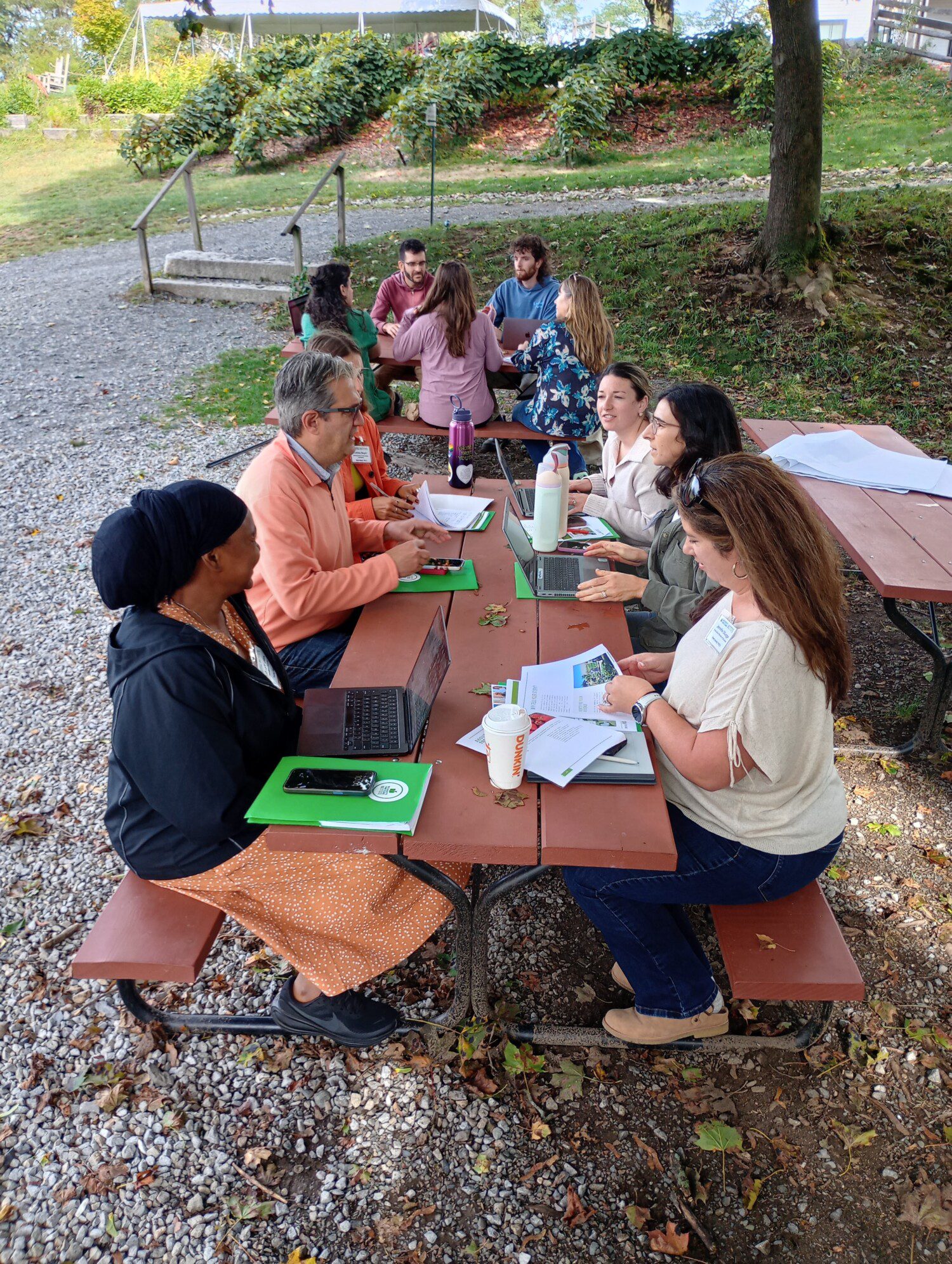
The Institute convenes teams of educators, administrators, school nutrition staff, and local partners from across the Commonwealth. Each team begins their journey at a two-day Fall Retreat, where they craft a customized Farm to School Action Plan. These plans include strategies for integrating food education into curriculum, expanding local food procurement, activating school gardens, and engaging families. Participants consistently report that the retreat offers both inspiration and practical tools for becoming farm to school leaders in their communities.
Following the retreat, teams receive ongoing coaching from experienced mentors in the Massachusetts Farm to School network. This personalized support helps schools adapt their action plans to meet evolving needs, sustain momentum, and build lasting community partnerships—transforming inspiration into concrete, school-wide change.
2024–25 Institute: A Year of Growth and Impact
Last school year six school teams—Chicopee, Falmouth, Frontier, Jacob Hiatt Magnet School (Worcester), Nauset, and Salem—participated in the Institute. Collectively these teams impacted more than 16,000 students across Massachusetts. Every team built or improved school gardens, and all six successfully wove farm to school into their curriculum. Two-thirds even served school-grown produce in their cafeterias—turning gardens into sources of both nutrition and pride.
Each district’s story highlights a unique yet powerful transformation:
- Chicopee engaged over 30 educators through hands-on professional development, expanded preschool garden lessons, and secured a new grant to support the work into the 2025 school year.
- Falmouth partnered with eight local farms, hosted 56 taste tests, introduced 25 new recipes, and diverted 62 tons of food scraps to compost—translating sustainability into action.
- Frontier launched pilot programs at two elementary schools, trained staff to sustain taste tests, and hosted joyful community events that brought students and farmers together.
- Jacob Hiatt Magnet School fostered student ownership through a garden build project and creative food literacy experiences like a preschool farmers market and a grain-to-loaf workshop.
- Nauset combined culinary creativity and Indigenous food education with new programs in hydroponics and composting—celebrating culture, science, and sustainability.
- Salem built culturally responsive garden-based learning programs, partnered with Indigenous educators, and secured funding to place Garden Coordinators and Farm to School Champions in every school.
2025-2026 Institute
Six teams from throughout Massachusetts are participating in the 2025-2026 Massachusetts Farm to School Institute. These teams—Greenfield Public Schools, Sheffield Elementary School (Gill-Montague School District), Watertown Public Schools, King Philip Regional High School (Wrentham), Holyoke-Chicopee-Springfield Head Start, and Metrowest YMCA—kicked off their year-long participation in the program at a retreat in late September. Here the teams developed wide ranging action plans focused on everything from hosting regular cafeteria taste tests to building new school gardens and influencing school wellness policies to support local foods. The teams are being supported by coaches throughout the school year and will reconvene in May to share their journey and successes with their peers.
A Growing Legacy
With over 50 school and district alumni and counting, the Massachusetts Farm to School Institute is helping to shape a more resilient, equitable food system—one rooted in education, community, and local abundance. By building educator capacity, fostering student engagement, and strengthening local food economies, the Institute isn’t just providing professional development—it’s sowing the seeds of long-term transformation.
Learn more at massfarmtoschool.org.


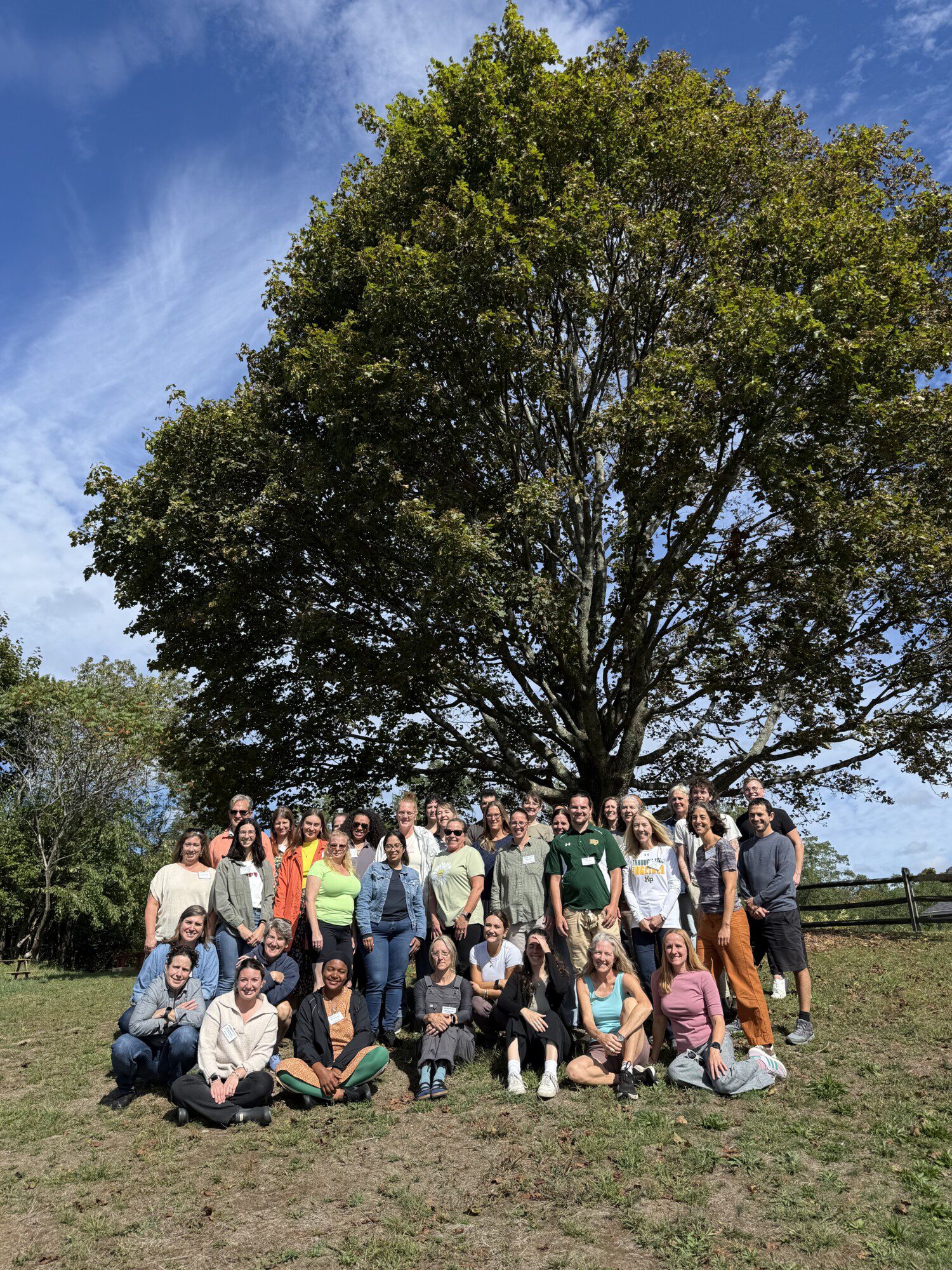

“Overall, I feel that my team is now ready to tackle the work ahead of us and we will be champions of farm to school in our buildings!”
Related Content
Grantee Profile
Southside Community Land Trust
Grantee Profile
Intern Feature: Urban Agriculture in Boston